
Six Car Checks Women Drivers Should Know
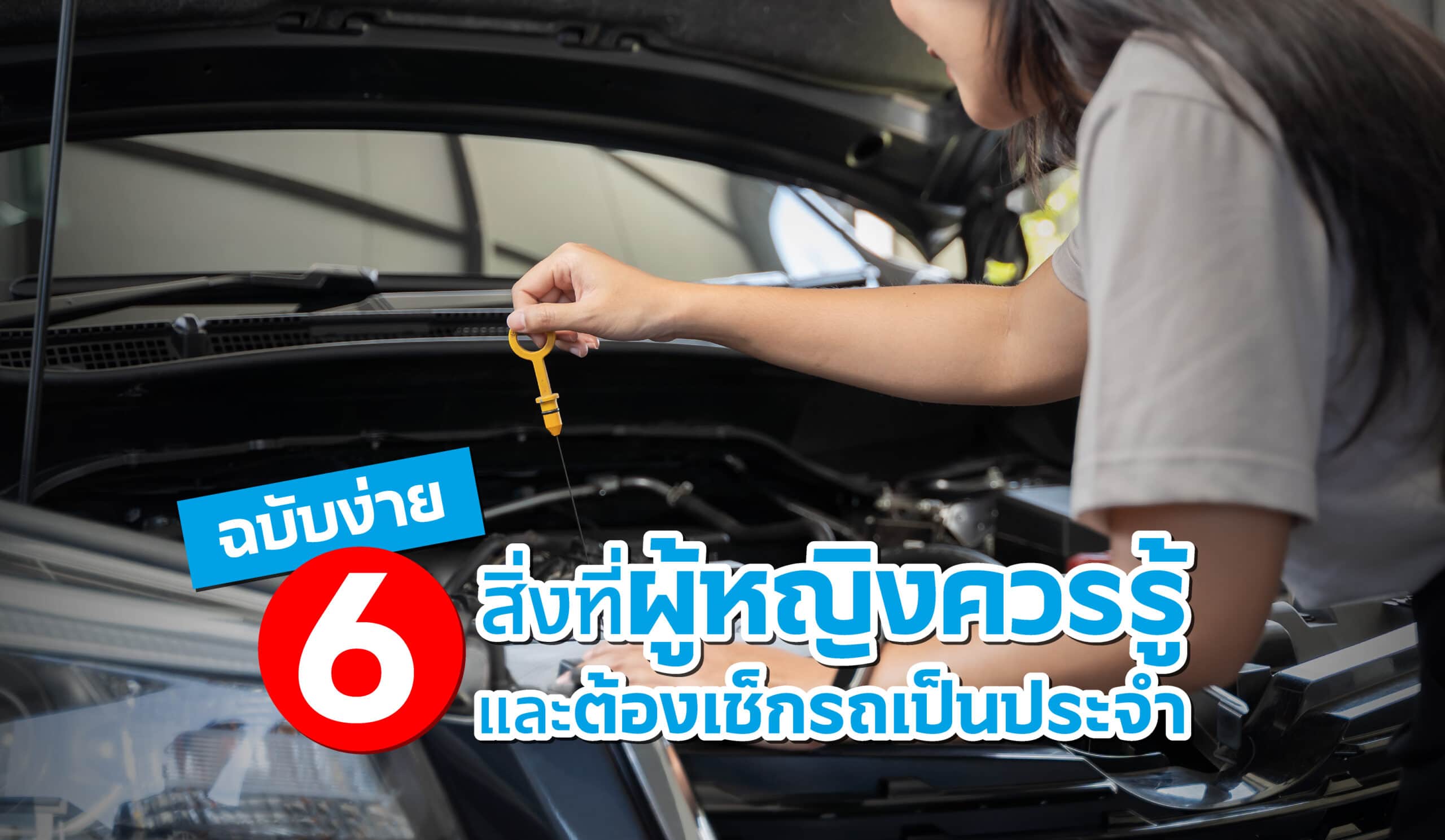
Many women drive independently every day, and basic vehicle checks do not have to be difficult. The following six checks can help any driver understand the condition of a car and identify when professional inspection may be needed.
1. Check the engine oil regularly
Engine oil is essential for the engine. Park safely on level ground, switch off the engine and follow the vehicle manual when checking the dipstick. The level should be between the upper and lower marks. Oil below the lower mark may damage the engine. Replace the oil at the interval specified by the manufacturer.
2. Do not overlook the brakes and brake fluid
Check that the brake-fluid level is between the Min and Max marks on the reservoir, following the vehicle manual and safety instructions. A level below Min may indicate worn brake pads or a leak. Have the vehicle inspected promptly by a qualified technician.
3. Check the coolant level
An appropriate coolant level helps prevent the engine from overheating. Check and top it up only in accordance with the vehicle manufacturer's instructions, and never open a hot cooling system. Plain water should generally be reserved for an emergency because repeated use may contribute to deposits or corrosion.
4. Check the battery
Some batteries have a built-in indicator, but its colours and meanings vary by manufacturer. Follow the battery instructions or have a technician test it. Avoid leaving vehicle lights switched on, and consider carrying suitable emergency equipment such as approved jump leads. Use battery equipment only if you know how to do so safely.
5. Check tyre pressure regularly
Underinflated tyres can increase fuel consumption and accident risk. Check the tyres regularly when cold and use the pressure stated by the vehicle manufacturer, normally shown on a label near the driver's door or in the manual. Also inspect tread and overall condition. Replace tyres based on condition, age and the manufacturer's recommendations rather than relying on one mileage figure alone.
6. Replace worn windscreen wipers
Check that the wiper blades clear the windscreen effectively, especially during the rainy season. Replace blades that have hardened, cracked or begun to leave streaks. Keep sufficient windscreen-washer fluid available to maintain clear visibility.
Source: Toyota Buzz