
Flat Rate vs Reducing-Balance Interest: What Is the Difference?
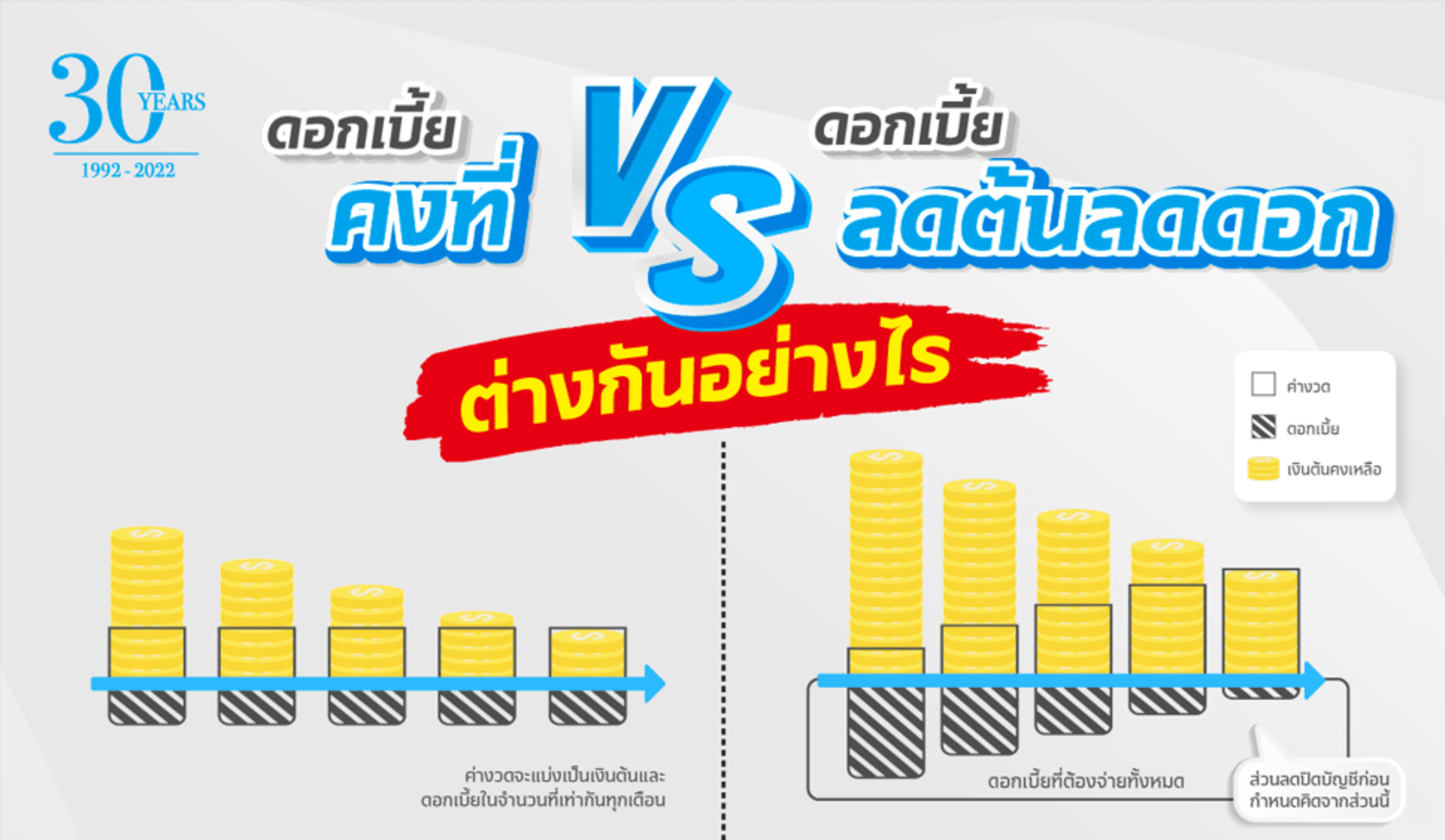
For anyone considering a vehicle title, land title, home or condominium loan to obtain funds for an emergency, it is important to understand the difference between flat-rate and reducing-balance interest before choosing an option.
The difference between flat-rate and reducing-balance interest
Two common methods of calculating loan interest are the flat-rate method and the reducing-balance method, sometimes described using an effective rate. They differ as follows.
What is flat-rate interest?
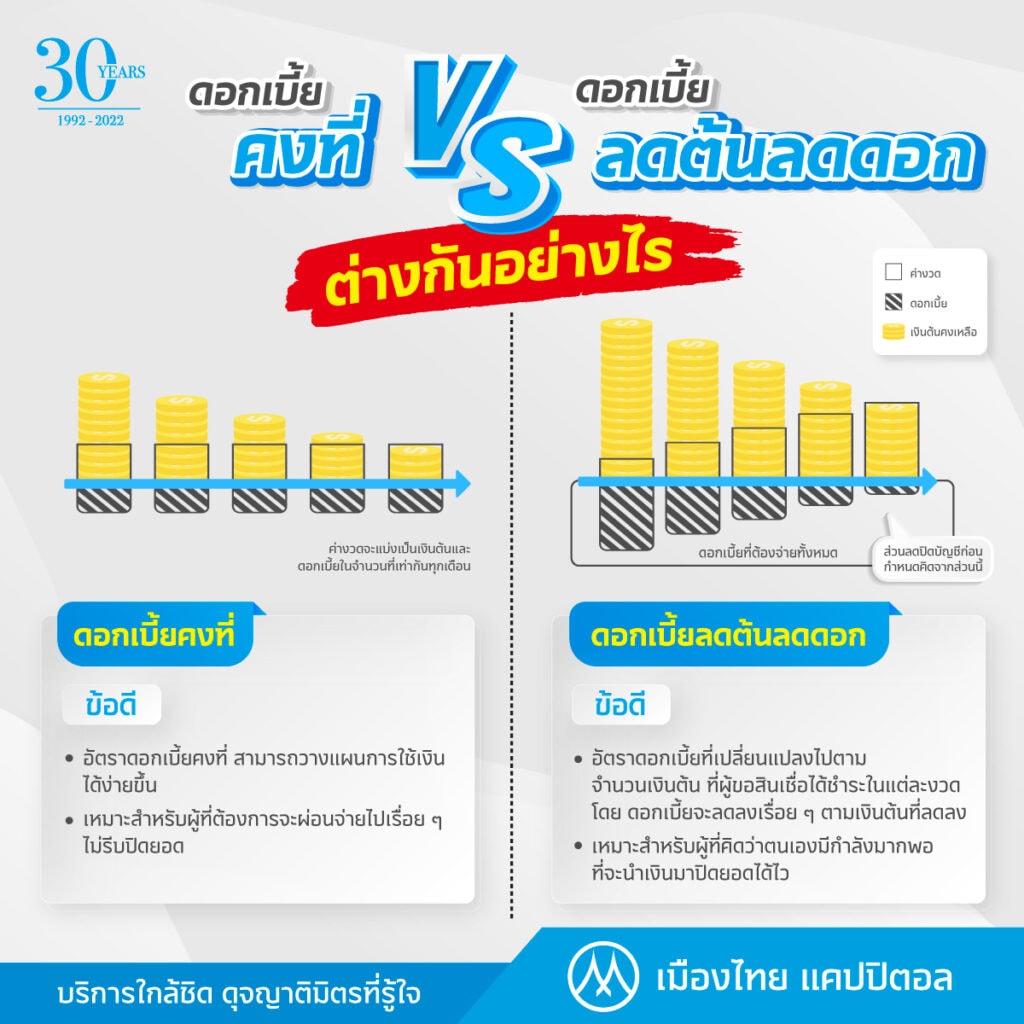
Flat-rate interest is calculated using the original principal throughout the agreed term. The total interest and principal are divided into the scheduled instalments, so the interest component is based on the same original amount until the loan has been repaid in accordance with the agreement.
Advantages
1. The instalment structure is predictable, which can make budgeting easier.
2. It may suit borrowers who plan to make the scheduled payments throughout the agreed term rather than settle the account early.
What is reducing-balance interest?
Reducing-balance interest is calculated on the outstanding principal. As each instalment reduces the principal, the amount of interest charged on the remaining balance also declines.
Advantages
1. Interest is calculated on the outstanding principal, so the interest amount decreases as the principal is repaid.
2. It may suit borrowers who expect to have the ability to make additional repayments or settle the balance sooner, subject to the agreement.
Which interest method may suit you?
Consider your expected repayment period and the terms of the loan agreement. If you need funds for a short period and expect to settle the account after only a few months, a reducing-balance loan may be more suitable because interest is calculated on the outstanding principal. If you intend to make regular instalments for the full agreed term, a flat-rate structure may provide predictable payments. Early settlement terms and any interest or charges payable can differ, so review the contract and ask the provider to explain the total cost before deciding.
If you are looking for an emergency source of funds, you may contact a Muangthai Capital branch for details. At the time this article was published, the company had more than 6,500 branches nationwide.
Contact channels